The Race for Everyday AI: Why Small Businesses Must Lead the Next Revolution
AI adoption is an iterative process—you learn by doing
AI adoption is an iterative process—you learn by doing
Reflecting on those transformative six years, the journey remains a profound milestone. To break through as a woman, to transition from a purely technical and scientific background, and to successfully command the position of Chairperson of the Public Service Commission stands as a source of immense pride—not just as a personal triumph, but as an enduring blueprint for future generations of women leaders in Nepal.

By training our minds to observe rather than absorb, we protect our intellectual sovereignty and ensure that technology serves as an instrument for national leapfrogging, rather than societal manipulation.

Nepal is producing technicians who make foundational execution errors because they lack systems clarity.
The invisible barrier to Nepal's progress is not a lack of resources or a shortage of ideas. It is a slow, continuous leak in our institutional memory—one that prevents us from ever standing on the shoulders of our own experience.
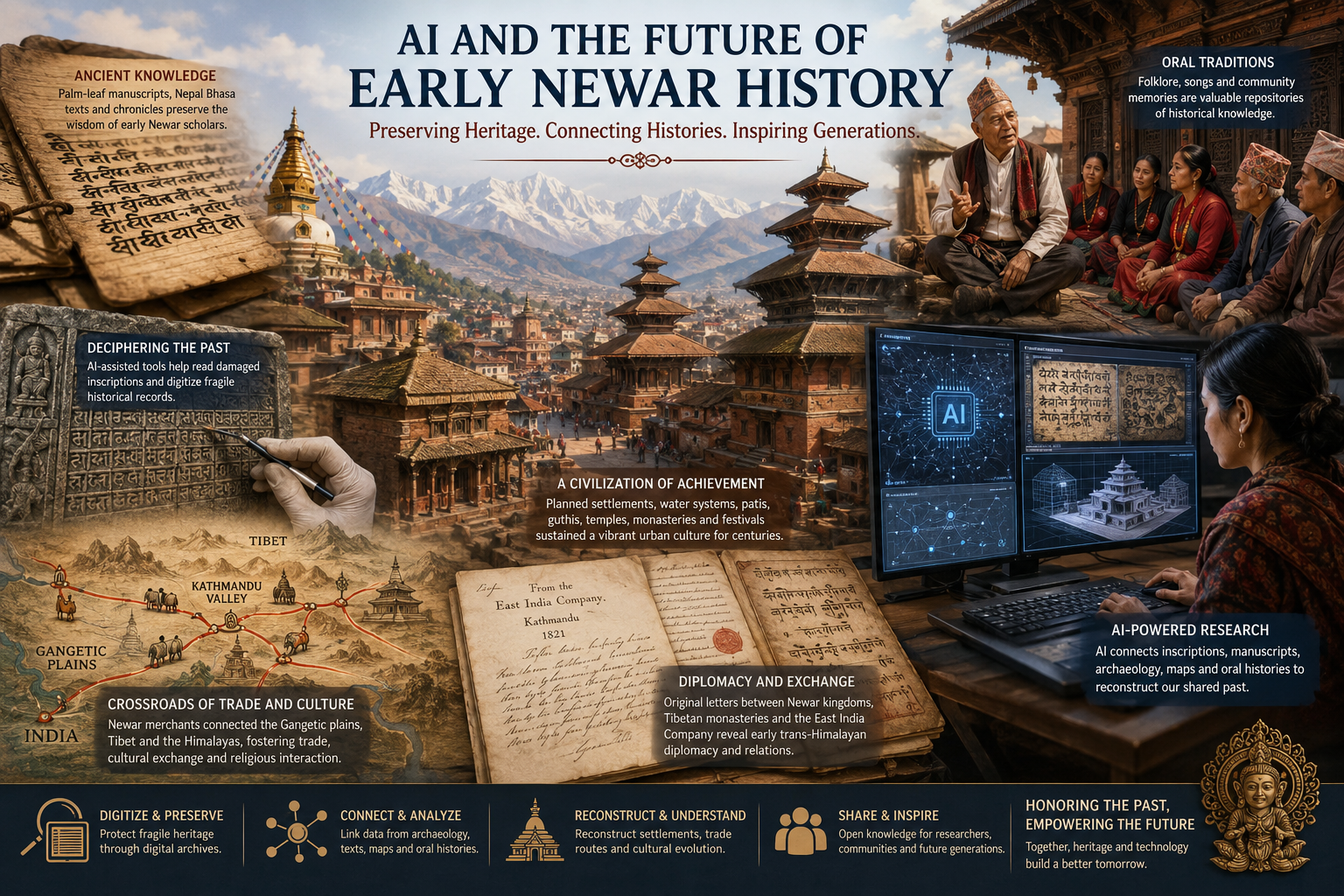
AI, Archaeology, and the Future of Early Newar Historical Research
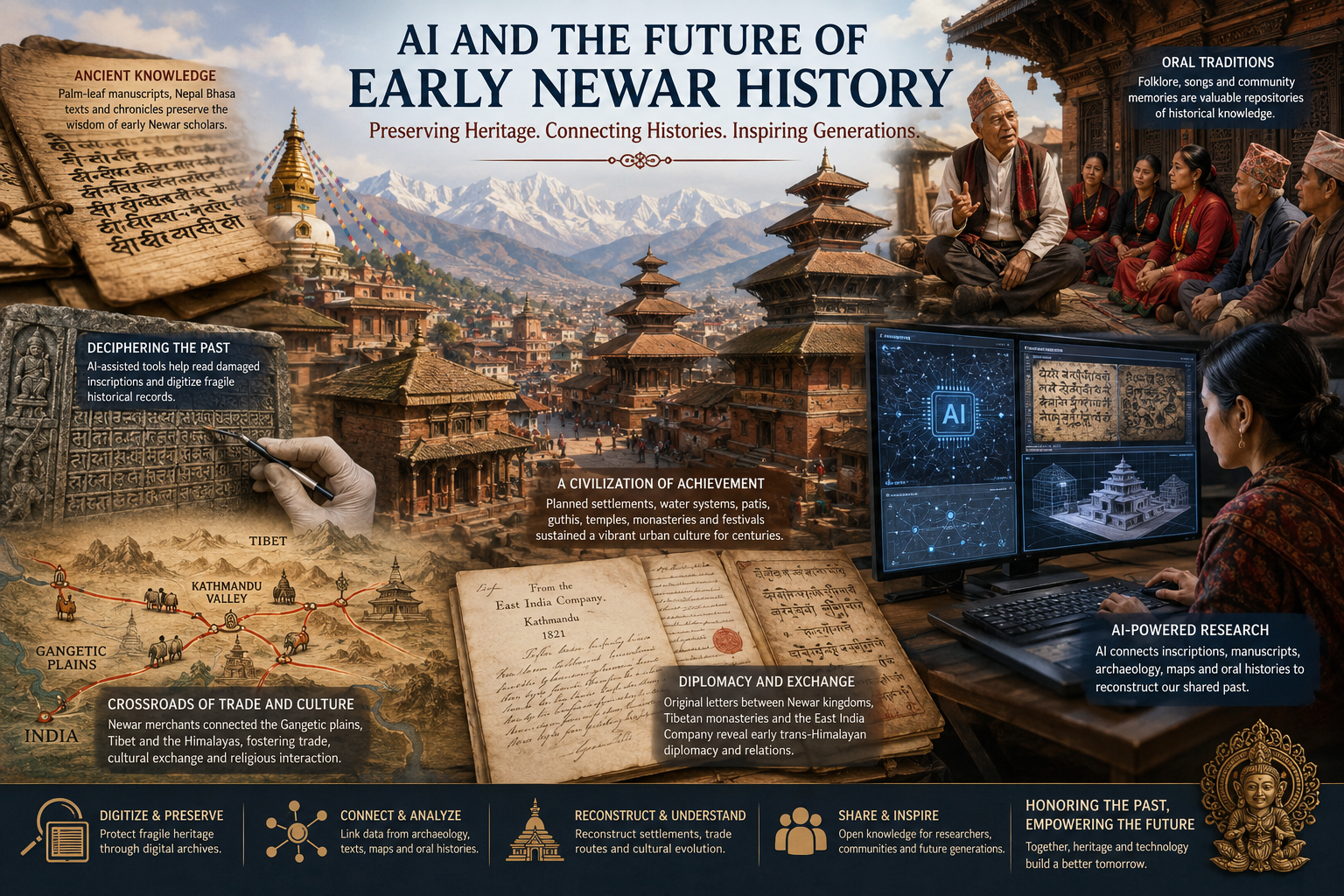
AI, Archaeology, and the Future of Early Newar Historical Research
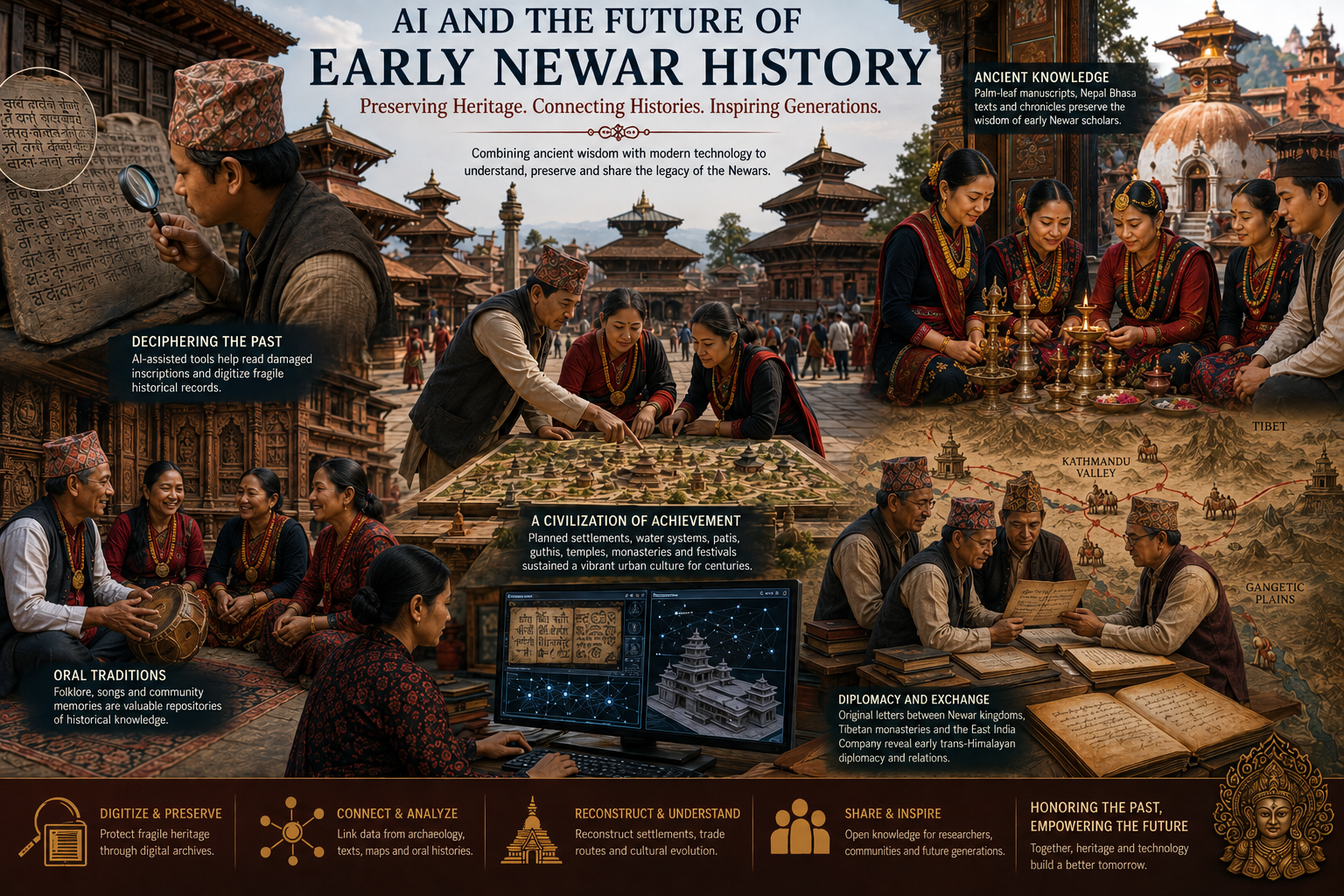
By combining technological innovation with rigorous research and community participation, Nepal has an opportunity to preserve, understand, and share the remarkable legacy of Newar civilization while enriching our understanding of the diverse historical traditions that have shaped the nation.

But ultimately, law enforcement leaders do not need to fight a war against faith to create a modern society. They can achieve a fairer, more rational Nepal simply by fiercely enforcing the progressive laws that are already written in our constitution.
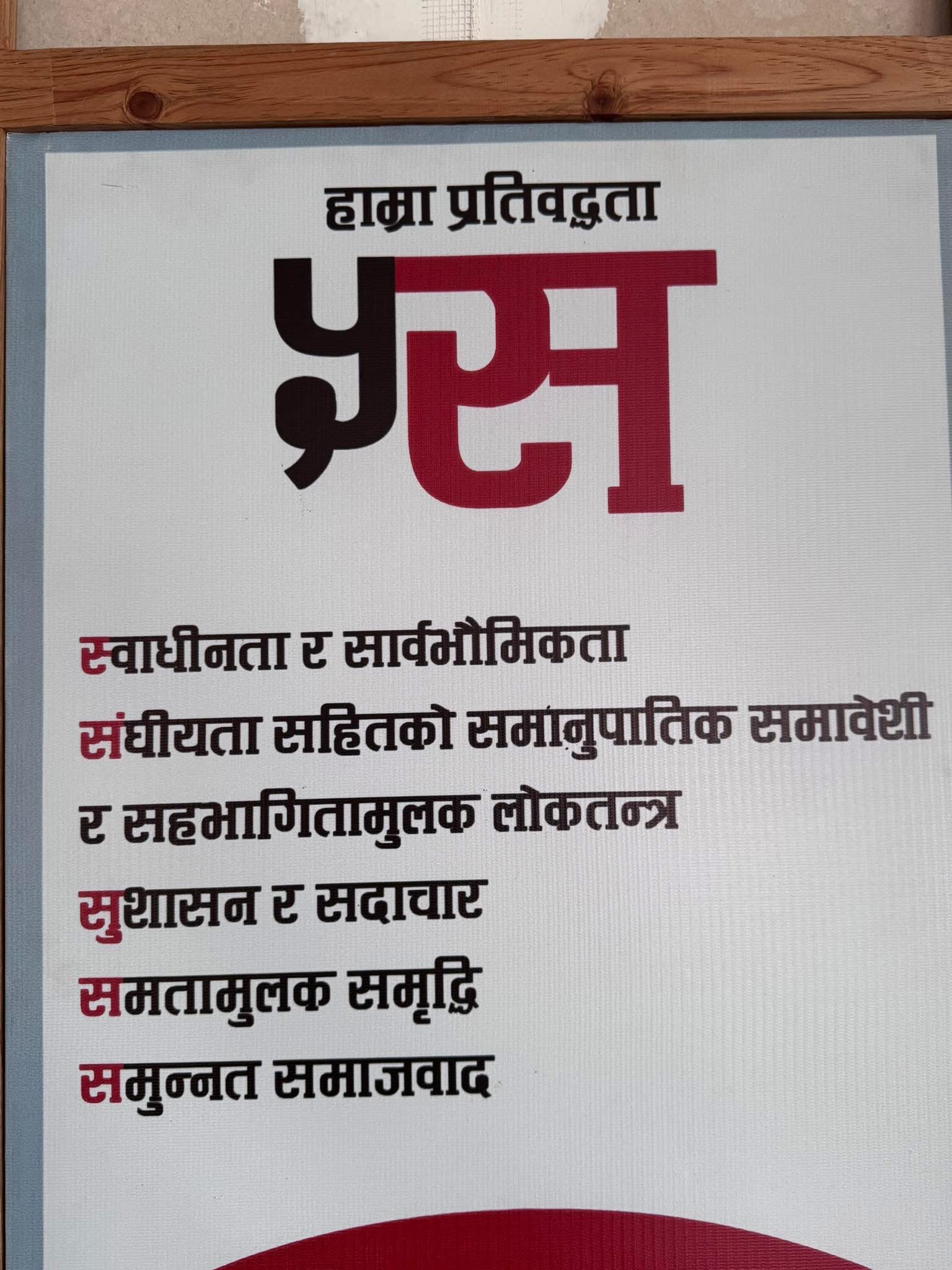
The Five “Ss” for Building a Prosperous Nepal in the Age of Artificial Intelligence