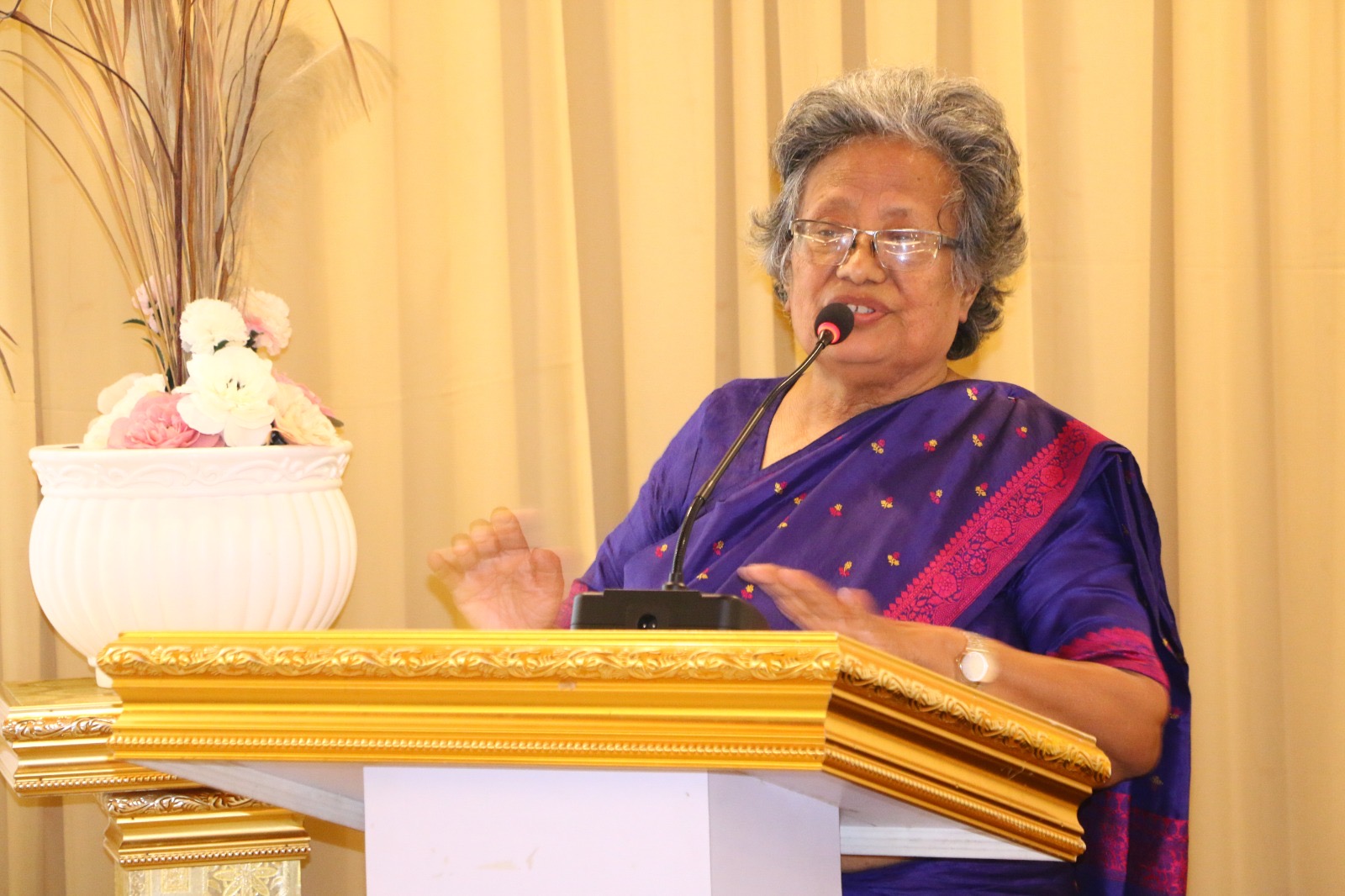
Mental health is far more than the mere absence of psychological illness—it is the capacity to think clearly, regulate emotions, resist manipulation, and ground decisions in evidence. In an era dominated by AI-generated content and hyper-optimized engagement algorithms, critical thinking emerges not merely as an intellectual exercise, but as an essential mental health discipline that safeguards human autonomy against fear, outrage, and polarization.
As the birthplace of Shakyamuni Buddha, Nepal carries deep philosophical roots in Buddhist traditions. The Buddha’s famed Kalama Sutta explicitly advises against blindly believing rumors, traditions, or authority figures without personal verification and logical reasoning. This historical lineage frames critical thinking not merely as an academic exercise, but as an essential practice for emotional balance and peace of mind.
Throughout its history, Nepal's socio-political landscape has actively shaped public skepticism and critical discernment. The Rana Dynasty (1846–1951): The autocratic Rana regime severely restricted formal education and literacy to prevent public uprisings. With mass communication virtually non-existent, rumors (Halla) served as the primary channel of news. Citizens were forced to constantly filter state narratives, fear-inducing rumors, and official propaganda, laying the early social foundations for skepticism toward centralized authority. The Panchayat System (1960–1990): Under direct monarchical rule, media was centralized through state organs like Gorkhapatra and Radio Nepal, and dissent was criminalized. To navigate political survival and mental distress during periods of strict censorship, the public developed strong informal networks of critical discernment—reading between the lines of state news to deduce social and political reality.
In recent years, Nepal’s history has been marked by rapid technological leapfrogging. Bypassing legacy desktop internet infrastructure, the country transitioned directly from low connectivity to ubiquitous smartphone access via platforms like Facebook, YouTube, TikTok, and online news portals. High digital adoption paired with variable digital literacy has made the population uniquely vulnerable to viral rumors, health-related misinformation (notably during the 2015 earthquakes and the COVID-19 pandemic), deepfakes, and hyper-partisan content.
This rapid influx of unverified information contributes to heightened anxiety, social polarization, and emotional fatigue. As synthetic media and AI-generated content become widespread in Nepal, traditional methods of discerning fact from fiction are tested. Bridging traditional philosophical concepts like Tarka (logical discernment) with modern media literacy is becoming vital for preserving individual mental health and civic trust.
Psychological Dynamics of Information Processing
How Fear Hijacks Reasoning
Chronic stress and fear overload the prefrontal cortex, shifting brain function from deliberate reflection to reactive survival. When digital ecosystems continuously trigger threat responses, human attention narrows. Uncertainty becomes unbearable, leading individuals to default to automatic acceptance over independent judgment. When survival instincts govern cognition, reflective evaluation falls by the wayside.
Polarized Identities and "Us vs. Them" Thinking
When social identity eclipses objective inquiry, thinking turns defensive. Rather than asking "Is this accurate?", the conditioned mind asks "Does this benefit my side?" Information is filtered through partisan bias, and disagreement is processed as an existential threat. This tribal epistemology creates an environment where cognitive compliance is rewarded and critical questioning is penalized.
Practical Strategies for Cognitive Resilience
Information Hygiene in the AI Era
Continuous exposure to outrage-driven feeds induces severe cognitive exhaustion, leaving individuals too depleted to verify claims. Preserving mental clarity in a hyper-connected world requires strict information hygiene by checking foundational evidence rather than relying on secondary commentary, delaying immediate reactions to emotionally charged headlines and deliberately stepping away from hyper-stimulating feeds to restore an attentional baseline.
Emotional Regulation as Modern Freedom
At its core, critical thinking relies on noticing an emotional response without allowing it to dictate belief. By decoupling feeling from reaction, individuals preserve the psychological space needed to evaluate evidence objectively, distinguishing legitimate authority from coercive manipulation.
Conclusion: Protecting Intellectual Autonomy
A healthy mind—and by extension, a healthy society—demands cognitive freedom, emotional autonomy, and psychological safety. In an age of rapid, algorithmically generated noise, taking a deliberate pause is the ultimate act of self-defense. Protecting independent thought is no longer just an individual preference; it is a vital public health priority.
मानसिक स्वास्थ्य भनेको केवल मानसिक रोगको अनुपस्थिति मात्र होइन—यो स्पष्ट रूपमा सोच्न सक्ने, भावनाहरूलाई नियन्त्रण गर्ने, भ्रामक प्रभाव वा प्रलोभनको प्रतिरोध गर्ने र प्रमाणका आधारमा निर्णय गर्ने क्षमता हो। एआई-उत्पादित सामग्री र अत्यधिक रूपमा प्रयोगकर्ता लोभ्याउने अल्गोरिदमहरूको वर्चस्व रहेको यस युगमा, समालोचनात्मक सोच (Critical Thinking) एउटा बौद्धिक अभ्यास मात्र नभई एक आवश्यक मानसिक स्वास्थ्य अनुशासनका रूपमा उभरिएको छ, जसले डर, आक्रोश र ध्रुवीकरणविरुद्ध मानव स्वायत्तताको रक्षा गर्दछ।
शाक्यमुनि बुद्धको जन्मभूमि भएकाले नेपालसँग बौद्ध दर्शनको गहिरो वैचारिक जग छ। बुद्धको प्रसिद्ध कालाम सुत्त ले कुनै पनि अफवाह, परम्परा वा अधिकारप्राप्त व्यक्तिहरूका भनाइलाई व्यक्तिगत परीक्षण र तार्किक विश्लेषणविना अन्धधुन्ध विश्वास नगर्न स्पष्ट रूपमा सल्लाह दिन्छ। यो ऐतिहासिक पृष्ठभूमिले समालोचनात्मक सोचलाई केवल शैक्षिक अभ्यास नभई भावनात्मक सन्तुलन र मनको शान्तिका लागि एक अनिवार्य अभ्यासका रूपमा स्थापित गर्दछ।
आफ्नो इतिहासभरि नै नेपालको सामाजिक-राजनीतिक परिदृश्यले जनमानसको संशय र समालोचनात्मक विवेकलाई आकार दिँदै आएको छ।
राणा शासन (सन् १८४६–१९५१): निरंकुश राणा शासनले जनविद्रोह रोक्न औपचारिक शिक्षा र साक्षरतामा कडा प्रतिबन्ध लगाएको थियो। आम सञ्चारको पहुँच लगभग शून्य भएकाले अफवाह (हल्ला) नै समाचारको मुख्य माध्यम बनेको थियो। नागरिकहरू राज्यका भाष्य, डर पैदा गर्ने हल्ला र सरकारी प्रचारलाई निरन्तर छान्न बाध्य भए, जसले केन्द्रीय सत्ताप्रति संशयको प्रारम्भिक सामाजिक जग बसायो।
पञ्चायत व्यवस्था (सन् १९६०–१९९०): प्रत्यक्ष राजतन्त्रात्मक शासनअन्तर्गत गोर्खापत्र र रेडियो नेपालजस्ता राज्यका अङ्गहरूमार्फत सञ्चारमाध्यमहरूलाई केन्द्रीकृत गरियो र असहमतिलाई अपराधीकरण गरियो। कडा सेन्सरशिपको अवधिमा राजनीतिक जीवन रक्षा र मानसिक तनावसँग जुध्न सर्वसाधारणले समालोचनात्मक विवेकको बलियो अनौपचारिक सञ्जाल विकास गरे—जसमा सामाजिक र राजनीतिक यथार्थ पत्ता लगाउन सरकारी समाचारका पङ्क्तिहरूबीचको गूढ अर्थ (reading between the lines) पढ्ने गरिन्थ्यो।
हालैका वर्षहरूमा नेपालको इतिहास तीव्र प्राविधिक फड्कोद्वारा चिन्हित भएको छ। डेस्कटप इन्टरनेटको परम्परागत पूर्वाधारलाई छोडेर देश न्यून पहुँचको स्थितिबाट सिधै फेसबुक, युट्युब, टिकटक र अनलाइन समाचार पोर्टलहरूजस्ता प्लेटफर्महरूमार्फत सर्वव्यापी स्मार्टफोन पहुँचमा रूपान्तरण भयो। उच्च डिजिटल पहुँच तर असमान डिजिटल साक्षरताका कारण नेपाली समाज भाइरल अफवाह, स्वास्थ्यसम्बन्धी गलत सूचना (विशेषगरी सन् २०१५ को भूकम्प र कोभिड-१९ महामारीका बेला), डिपफेक (Deepfakes) र अत्यधिक पक्षपातपूर्ण सामग्रीप्रति विशेष रूपमा संवेदनशील बनेको छ।
असत्यापित सूचनाको यो तीव्र प्रवाहले अत्यधिक चिन्ता, सामाजिक ध्रुवीकरण र भावनात्मक थकान बढाउन सहयोग पुर्याउँछ। नेपालमा सेन्थेटिक मिडिया र एआई-उत्पादित सामग्री व्यापक बन्दै जाँदा तथ्य र कल्पना छुट्याउने परम्परागत विधिहरूको परीक्षा भइरहेको छ। तर्क (तार्किक विवेक) जस्ता परम्परागत दार्शनिक अवधारणाहरूलाई आधुनिक मिडिया साक्षरतासँग जोड्नु व्यक्तिगत मानसिक स्वास्थ्य र नागरिक विश्वास जोगाउनका लागि अत्यावश्यक बन्दै गएको छ।
सूचना प्रशोधनको मनोवैज्ञानिक गतिशीलता
डरले कसरी तर्क क्षमतालाई अपहरण गर्छ
दीर्घकालीन तनाव र डरले मस्तिष्कको 'प्रिफ्रन्टलोब' (Prefrontal Cortex) लाई प्रभावित पार्छ, जसले मस्तिष्कको कार्यलाई विचारशील चिन्तनबाट प्रतिक्रियात्मक बचाउतिर मोडिदिन्छ। जब डिजिटल वातावरणले निरन्तर खतराको अनुभूति गराउँछ, मानिसको ध्यान संकुचित हुन्छ। अनिश्चितता असह्य बन्छ, जसले गर्दा व्यक्तिहरू स्वतन्त्र निर्णयको सट्टा स्वतः प्राप्त कुरालाई स्वीकार गर्न पुग्छन्। जब बचाउको उद्वेगले सञ्ज्ञानलाई सञ्चालन गर्छ, विचारशील मूल्यांकन ओझेलमा पर्छ।
ध्रुवीकृत पहिचान र "हामी विरुद्ध उनीहरू" को सोच
जब सामाजिक पहिचानले वस्तुनिष्ठ खोजलाई ओझेलमा पार्छ, सोच रक्षात्मक बन्छ। "के यो सही हो?" भनी सोध्नुको सट्टा अनुकूलित मनले सोध्छ "के यसले मेरो पक्षलाई फाइदा पुर्याउँछ?" सूचनालाई दलीय पूर्वाग्रहको आधारमा छानिन्छ र असहमतिलाई अस्तित्वगत खतराको रूपमा लिइन्छ। यो साम्प्रदायिक ज्ञानमीमांसाले यस्तो वातावरण सिर्जना गर्छ जहाँ अन्धसमर्थनलाई पुरस्कृत गरिन्छ र समालोचनात्मक प्रश्न उठाउनेलाई दण्डित गरिन्छ।
सज्ञानात्मक लचिलोपनका लागि व्यावहारिक रणनीतिहरू
एआई युगमा सूचनाको स्वच्छता (Information Hygiene)
आक्रोश-प्रेरित सामग्रीहरूको निरन्तर संसर्गले गम्भीर सज्ञानात्मक थकान निम्त्याउँछ, जसले गर्दा व्यक्तिहरू दाबीहरूको पुष्टि गर्न असमर्थ हुन्छन्। यो अत्यधिक जोडिएको संसारमा मानसिक स्पष्टता जोगाउन कडा सूचना स्वच्छता आवश्यक पर्छ; जसका लागि द्वितीयक टिप्पणीमा भर पर्नुको सट्टा मौलिक प्रमाणहरू जाँच्ने, भावनात्मक रूपमा उत्तेजक समाचारहरूमा तुरुन्तै प्रतिक्रिया दिन ढिलाइ गर्ने र ध्यानको स्तरलाई पुनः पुरानै स्थितिमा ल्याउन अत्यधिक उत्तेजक सामग्रीहरूबाट जानीजानी टाढा रहने गर्नुपर्छ।
आधुनिक स्वतन्त्रताको रूपमा भावनात्मक नियमन
यसको मूल मर्ममा, समालोचनात्मक सोच भावनात्मक प्रतिक्रियालाई आफ्नो विश्वासमाथि हाबी हुन नदिई त्यसलाई नियाल्नुमा निर्भर हुन्छ। भावनालाई प्रतिक्रियाबाट अलग गरेर व्यक्तिहरूले प्रमाणको वस्तुनिष्ठ मूल्यांकन गर्न आवश्यक मनोवैज्ञानिक ठाउँ सुरक्षित गर्छन्, जसले वैधानिक अधिकार र दबाबमूलक भ्रमबीच फरक छुट्याउँछ।
निष्कर्ष: बौद्धिक स्वायत्तताको संरक्षण
एक स्वस्थ मन—र फराकिलो अर्थमा, एक स्वस्थ समाज—का लागि सज्ञानात्मक स्वतन्त्रता, भावनात्मक स्वायत्तता र मनोवैज्ञानिक सुरक्षा आवश्यक हुन्छ। तीव्र र अल्गोरिदमद्वारा उत्पादित होहल्लाको यस युगमा, जानीजानी लिइने एक क्षणको विराम नै आत्मरक्षाको अन्तिम उपाय हो। स्वतन्त्र सोचको रक्षा गर्नु अब केवल व्यक्तिगत रुचि मात्र रहेन; यो एक महत्त्वपूर्ण सार्वजनिक स्वास्थ्य प्राथमिकता बनिसकेको छ।