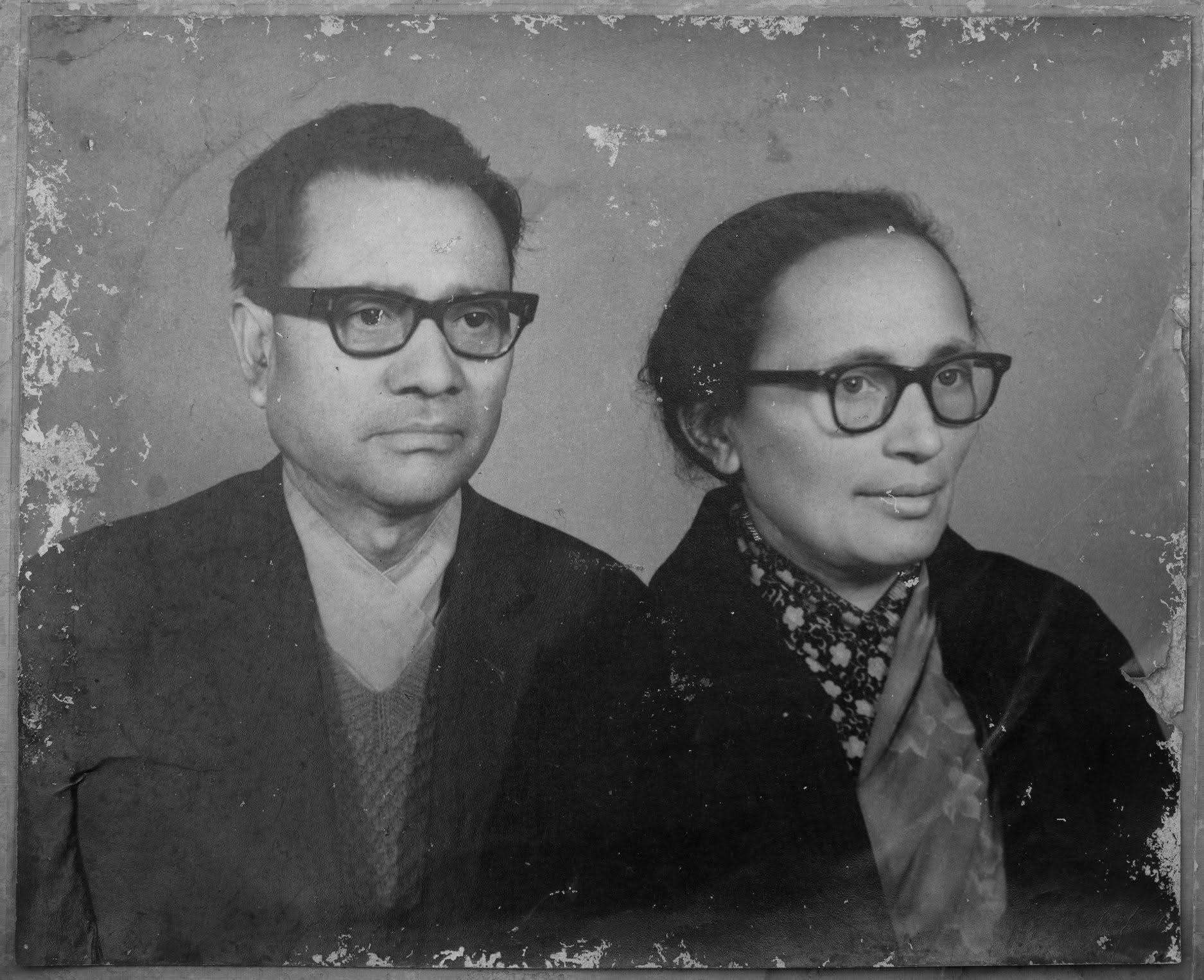
The story of Heera Devi Yami is not merely the story of one woman or one family. It is a story about vision, courage, and the transformative power of education. It is a story that remains relevant today, especially for communities where girls still face barriers to education and opportunities for personal growth.
When Heera Devi Yami approached the final stage of her life in 1970, she was deeply concerned about the future of the seven children she would leave behind—six daughters and one son. Like every mother, she worried about their safety, happiness, and well-being. Yet one concern weighed particularly heavily on her mind: the future of her daughters.
To understand her concern, one must understand the Nepal of her time.
For generations, educational opportunities for ordinary citizens had been limited. Literacy rates were low, and many families had little exposure to ideas beyond their immediate communities. Travel was difficult, communication was limited, and many people spent their entire lives within familiar social and cultural boundaries.
In both urban and rural communities, traditional customs strongly influenced family life. For many families, especially regarding daughters, marriage was considered the highest priority. A girl’s future was often discussed in terms of marriage rather than education, professional achievement, or leadership.
This was the reality that Heera Devi Yami knew her daughters would face.
Yet she herself had experienced a broader world. Through her time in Calcutta and Kalimpong, she encountered ideas and movements that emphasized freedom, education, social reform, and human dignity. She witnessed a society engaged in discussion, political awakening, and national transformation. She understood that education could change lives.
As a result, she developed a vision that was ahead of its time.
She believed that daughters deserved the same opportunities as sons. She believed that girls should be educated, encouraged to think independently, and given the chance to realize their full potential. She did not oppose marriage. Rather, she believed that marriage should not come at the cost of education, self-development, and opportunity.
As her health declined, she tried to communicate these values to her daughters. She wanted them to value learning, confidence, and self-reliance. She hoped they would not be confined by the limitations that society often imposed on girls.
But the daughters were still young.
Like most children, they could not fully understand the fears and hopes that occupied their mother’s mind. They could not yet grasp how social expectations could shape a person’s future. They could not fully appreciate why their mother was so determined that they receive an education and develop their abilities before assuming adult responsibilities.
Yet Heera Devi Yami planted a seed.
That seed was not simply a desire for academic success. It was a belief that every human being, regardless of gender, deserves the opportunity to learn, grow, and contribute to society.
When news of her untimely death spread, many people mourned deeply. Friends, relatives, neighbors, and community members wept. They knew that a compassionate and wise woman had been lost.
Many were especially concerned about the six daughters she left behind.
In the conservative social environment of the time, raising six daughters without a mother’s guidance seemed an enormous challenge. People wondered how the girls would navigate a society where marriage often received greater priority than education. They worried about the obstacles the family might face.
Yet something remarkable happened.
The love, respect, and goodwill that Heera Devi Yami had earned throughout her life returned to her children. Family members, friends, teachers, well-wishers, and community supporters provided encouragement and guidance. The values she had instilled continued to influence the family.
Over time, the daughters grew into capable, educated, and accomplished women. The vision that their mother had carried in her heart began to take shape in their lives.
Today, her story carries an important message that extends far beyond one family.
Although much progress has been made, many girls in rural Nepal and other underserved communities still face significant barriers. In some places, education for daughters may still be viewed as less important than education for sons. Economic hardship, social expectations, early marriage, and limited opportunities continue to affect many families.
When girls are denied education, the consequences often extend beyond one individual. Families lose potential leaders. Communities lose talented teachers, health workers, entrepreneurs, engineers, scientists, and public servants. Future generations lose opportunities for advancement.
Education is not merely about obtaining a certificate. Education develops confidence, critical thinking, problem-solving ability, and the capacity to make informed decisions. It helps individuals protect themselves from exploitation, improve their health and livelihoods, and contribute meaningfully to society.
An educated mother often becomes a powerful force for change. She is better equipped to support her children’s education, health, and development. She can help break cycles of poverty, vulnerability, and dependence. The benefits extend not only to her family but to the entire community.
This is perhaps the deepest lesson of Heera Devi Yami’s life.
She understood that while traditions can provide identity and continuity, societies must also evolve. Customs should never prevent individuals from realizing their potential. Every child—whether a son or a daughter—deserves the opportunity to learn, dream, and grow.
Her life reminds us that true courage is not only found in political movements or public achievements. Sometimes courage is found in a mother’s determination to imagine a better future for her children, even when society cannot yet see it.
Today, the most meaningful tribute to Heera Devi Yami is not simply to remember her story. It is to carry forward her vision.
It is to ensure that every daughter receives an education.
It is to encourage every mother to believe in her daughter’s potential.
It is to help every family understand that investing in girls’ education is not a burden but one of the greatest investments a society can make.
And it is to remember that a single woman’s vision, planted like a seed in the hearts of her children, can continue to transform lives long after she is gone.
That was Heera Devi Yami’s legacy.
That remains her message.
And that message is as important today as it was more than half a century ago.