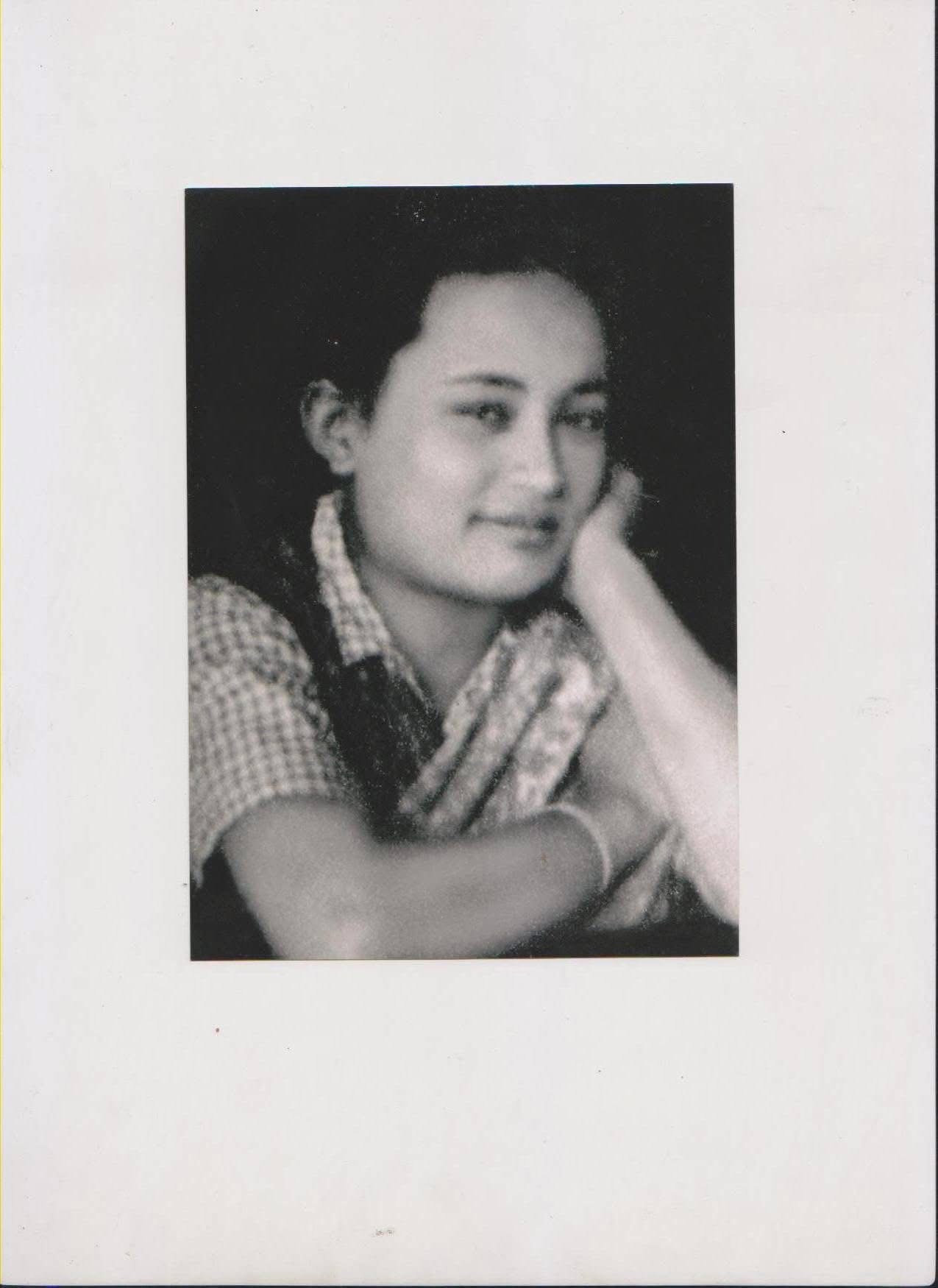
Long before she became one of Nepal’s most fearless social reformers, educators, and activists, Heera Devi Yami was just a remarkably sharp little girl living in the heart of old Kathmandu. Growing up in a grand house in Bhansa Chhen, Kel Tole, her childhood was a unique mix of trans-Himalayan wealth, strict cultural boundaries, and a quiet, daring rebellion that would change her life forever.
A House Filled with Lhasa Wool
Heera Devi was born into a flourishing Lhasa Newar merchant family. In those days, the Kathmandu Valley was a bustling hub for regional trade, and her family was at the center of it. Her childhood home was constantly filled with giant, fragrant stacks of raw wool brought across the Himalayas from Tibet.
Because the male members of the joint family spent most of their years away in Lhasa managing the family business, the responsibility of running the massive household fell upon the women. Yet, socially, these women lived highly restricted lives. They were largely confined inside their residences, watching the outside world slip by through beautifully carved, but isolating, wooden pigeon-hole windows (sanjhya). Formal education for women was strictly forbidden by society and the ruling Rana regime.
But young Heera Devi possessed a sharp, restless mind that could not be contained. From a very young age, she showed incredible focus and skill, teaching herself to weave small carpets and knit woolen sweaters from the very materials that filled her home.
A Radical Act in the Neighborhood
Her extraordinary sharpness did not go unnoticed. A visionary educator in the neighborhood, Jagat Lal Master (Jagat Lal Shrestha), took a keen interest in the bright young girl. Recognizing her potential, he made a brave decision: he decided to teach her secretly.
The lessons were not ordinary. Jagat Lal Master didn't just teach her basic literacy; he smuggled in the Royal Reader—a prestigious English textbook series imported from Britain. At the time, English education was a strict monopoly of the ruling Rana elite, taught only to their own children inside palace walls. The rulers knew that if ordinary citizens learned English, they would gain access to global ideas of democracy, freedom, and human rights. Teaching a common merchant's daughter the Royal Reader was a highly dangerous, political act of defiance.
The Shawl of Resistance
How does a young girl in a crowded, traditional joint family practice forbidden education without getting caught? Heera Devi managed it through sheer cleverness and discipline.
In that era, society mandated that young girls wear large, heavy shawls to cover their bodies modestly whenever they moved around. Heera Devi turned this restriction into her greatest shield. She used the large folds of her traditional shawl to hide her precious Royal Reader, carrying forbidden knowledge right under the noses of her family members and neighbors.
She found clever hiding spots for the book among the massive bundles of Lhasa wool and practiced her English words in absolute silence, waiting for the moments when she could look out her wooden window and dream of a wider world. The very garment meant to symbolize traditional confinement became the vehicle for her intellectual liberation.
A Legacy of Quiet Courage
The story of Heera Devi’s childhood reminds us that major social movements do not always begin with loud public speeches. Sometimes, they begin in the quietest corners of a neighborhood—with a dedicated teacher, a brilliant young girl, and a forbidden book hidden beneath a shawl.
By secretly mastering the language of the rulers from behind a lattice window, Heera Devi Yami gained the intellectual tools and the fearless spirit that would later enable her to tear down those very barriers, opening the doors of education and justice for generations of Nepali women to come.
#HeeraDeviYami #TheGirlWithTheHiddenBook #RoyalReader #KelTole & #BhansaChhen #NepaliHistory #KathmanduHistory #LhasaNewar #NewarHeritage #HistoryOfNepal #WomenInHistory #GirlsEducation #PioneeringWomen #SheInspires #EducationIsFreedom #HiddenHistories #InspirationalStories #Nepal #UntoldStories