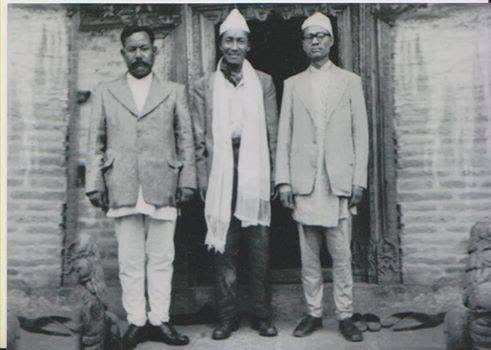
For a long time, people in mountain areas explained natural disasters like floods and landslides through old myths and fears. But understanding science is much better. The famous climber Tenzing Norgay and the brave Sherpa people showed amazing strength on Mount Everest. Still, for many years, mountain communities did not have science to explain how nature works.
In rural Nepal, reaching schools is hard because of big mountains and rough rivers. Millions of children finish school without ever doing a real science experiment, touching a circuit, or using a computer.
To fix this, we can use Mobile STEAM Labs. These are special off-road trucks and backpacks packed with learning tools. They bring hands-on Science, Technology, Engineering, Art, and Math directly to remote villages.
Children living near floods and landslides cannot learn just by memorizing textbooks. When river water rises, staying safe requires quick thinking, practical math, and creative problem-solving—which is what STEAM is all about.
Teaching Class 5 students (ages 10–11) is perfect. At this age, kids love doing hands-on projects and can easily connect science to real life.
1. Practical Lessons for Class 5 Students and Teachers
Instead of just reading books, every lesson should help solve local problems:
-
Science: Learn how mud absorbs water and why wet hillsides slide down. Kids test different types of dirt using plastic bottles.
-
Technology: Learn how simple tools work. Students build easy rain measures or simple water alarms that buzz when floodwaters get too high.
-
Engineering: Kids use bamboo, straw, string, and clay to build tiny houses and bridges, then test if they can survive fake floods or shakes.
-
Arts: Art helps kids share ideas. Students draw map posters of their village showing safe paths to high ground, or act out short plays about disaster safety.
-
Math: Measure rainfall, track river levels on simple graphs, and calculate distances to safe shelter areas.
2. How Mothers and Parents Can Help at Home
Mothers take care of the home and keep families safe. They can turn daily chores into fun science lessons. Show parents that cooking, weaving, farming, and storing food safely are already full of math and science. Encourage mothers to ask kids questions like, "Why do you think that broke?" or "How can we fix this together?". Mothers and kids can build simple water filters using sand, charcoal, and gravel, or build high shelves to protect important papers before monsoon rains arrive.
3. Easy Steps for School Committees
School Management Committees can turn local classrooms into creative activity hubs. STEAM does not need expensive computers. Schools can set up a "Jugaad" (Resource Corner) filled with bamboo, plastic bottles, wire, cardboard, and trash items. Hold a school science fair every few months. Students can show off their flood models and alarm inventions to village leaders and parents.