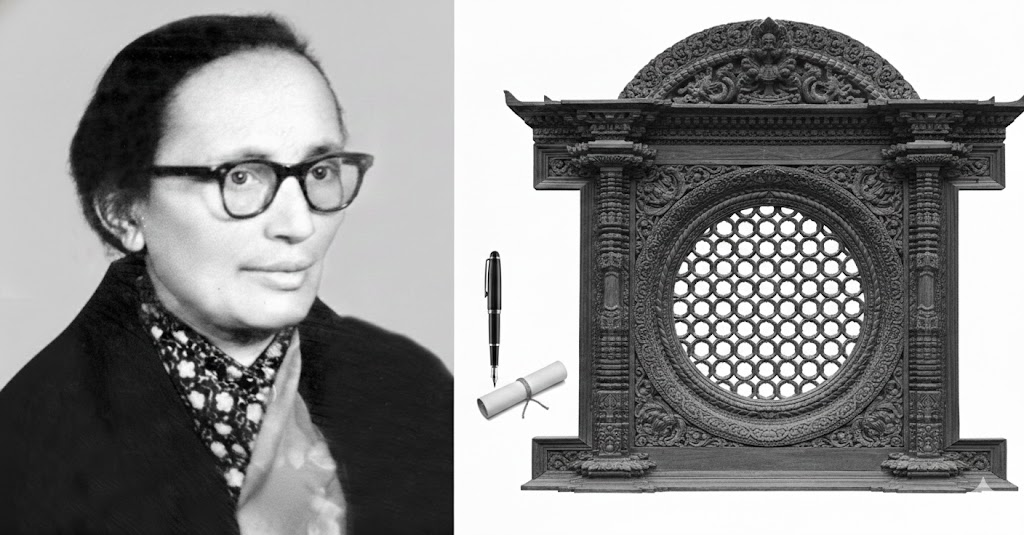
In the 1930s, under the watchful eyes of the Rana autocracy, education itself was an act of defiance.
The regime understood a simple, terrifying truth: to prevent the masses from dreaming of freedom, knowledge had to be kept scarce. And so, the Ranas enforced a deliberate drought of learning.
Among the brave few who dared to break this silence was Jagat Lal Master. He belonged to a small circle of educators who believed that literacy was the only hammer strong enough to crack the foundations of autocracy.
But for a girl like Heera Devi, the barriers were doubled.
Education was not only a political crime — it was considered a spiritual one.
In traditional Newari households, a deeply ingrained taboo warned that an educated girl invited misfortune. A literate woman, it was believed, would become “too clever” for her husband, bringing about his untimely death or the family’s financial ruin. This superstition acted as a powerful social cage, stronger than any law.
While boys in the Keltole neighborhood were occasionally taught enough arithmetic to manage trade accounts, girls were strictly confined to domesticity. By seeking knowledge, Heera Devi was not merely learning to read — she was rebelling against her family’s entire worldview.
To avoid the Pajani (state spies), Jagat Lal held his classes in the shadows. It was there that he noticed something unusual about Heera Devi. She did not simply memorize her lessons — she questioned them.
Living in Keltole, a vibrant hub of trade and craftsmanship, she was truly a diamond in the rough — fittingly, Heera means diamond.
Recognizing her rare potential, Jagat Lal entrusted her with a treasure usually reserved for the sons of the ruling elite: the Royal Reader (English).
From Literacy to Liberation
This secret education became the foundation of Heera Devi’s life.
Under the guidance of her clandestine mentor, she learned that her mind was not a source of bad luck, but a tool for liberation. The girl who once hid in an attic to read would grow into the strategist who managed the intellectual and financial auditorium of the revolution, ensuring that the fire of political change never went out
rough
In the 1930s, under the watchful eyes of the Rana autocracy, education was a dangerous act of defiance. The regime understood a simple, terrifying truth. To prevent the masses from dreaming of freedom, the Ranas enforced a strict drought of knowledge.
Among the brave few who dared to break this silence was Jagat Lal Master. He belonged to a small circle of educators who believed that literacy was the only hammer strong enough to topple autocracy.
But for a girl like Heera Devi, the barriers were doubled. Education wasn't just a political crime; it was a "spiritual" one. In the traditional Newari household, a deeply ingrained taboo whispered that an educated girl brought misfortune. It was a common superstition that a literate woman would become "too clever" for her husband, leading to his untimely death or the family’s financial ruin.
While boys in the Keltole neighborhood were occasionally taught enough to handle trade accounts, girls were strictly confined to domesticity. By seeking knowledge, Heera Devi was committing a radical act of rebellion against her family’s entire worldview.
To avoid the Pajani (state spies), Jagat Lal held his classes in the shadows. He noticed that Heera Devi did not just memorize her lessons; she questioned them. Living in Keltole—a vibrant hub of trade and craftsmanship—she was a "diamond in the rough" (Heera meaning diamond). Recognizing her potential, Jagat Lal provided her with a treasure usually reserved for the sons of the ruling elite: the Royal Reader (English).
From Literacy to Liberation
This secret education was was the foundation of Heera Devi's life . Under the guidance of her secret mentor, she learned that her mind was not a source of "bad luck," but a tool for liberation. The girl who once hid in an attic to read would grow into the strategist who managed the intellectual and financial "auditorium" of the revolution, ensuring that the fire of political change never went out.