Learning Freedom in India
Heera Devi Yami’s years in India for medical treatment and study became a turning point in her political awakening. There, she witnessed the Indian freedom movement in full force. Ordinary citizens—students, women, workers, and community leaders—were participating in organized protests, civil disobedience, public meetings, and awareness campaigns led by figures such as Mahatma Gandhi and Jawaharlal Nehru.
What struck her most was that political change was not the work of a few heroic leaders. It was built on mass participation, disciplined organization, and moral courage. She saw women marching in protests, speaking at meetings, and leading social reform efforts. These scenes directly challenged the traditional belief that women belonged only within the household.
From India, Heera Devi learned the practical methods of civil resistance: community mobilization, political education, coordinated activism, and underground organization. These lessons would later define her own approach in Nepal under the Rana regime.
She returned with a firm conviction: democracy requires awareness, organization, and fearless participation from ordinary people—not just political leaders.
Hope in the Darkest Hours
Even under harsh repression and imprisonment in Nepal, Heera Devi never lost hope. Through newspapers such as The Statesman, she learned that Nepali leader B.P. Koirala was leading underground democratic efforts in Kathmandu through the Praja Panchayat. These reports strengthened her resolve and connected her mentally to a wider struggle for freedom.
She did not merely endure hardship—she acted.
Organizing Women, Students, and Youth
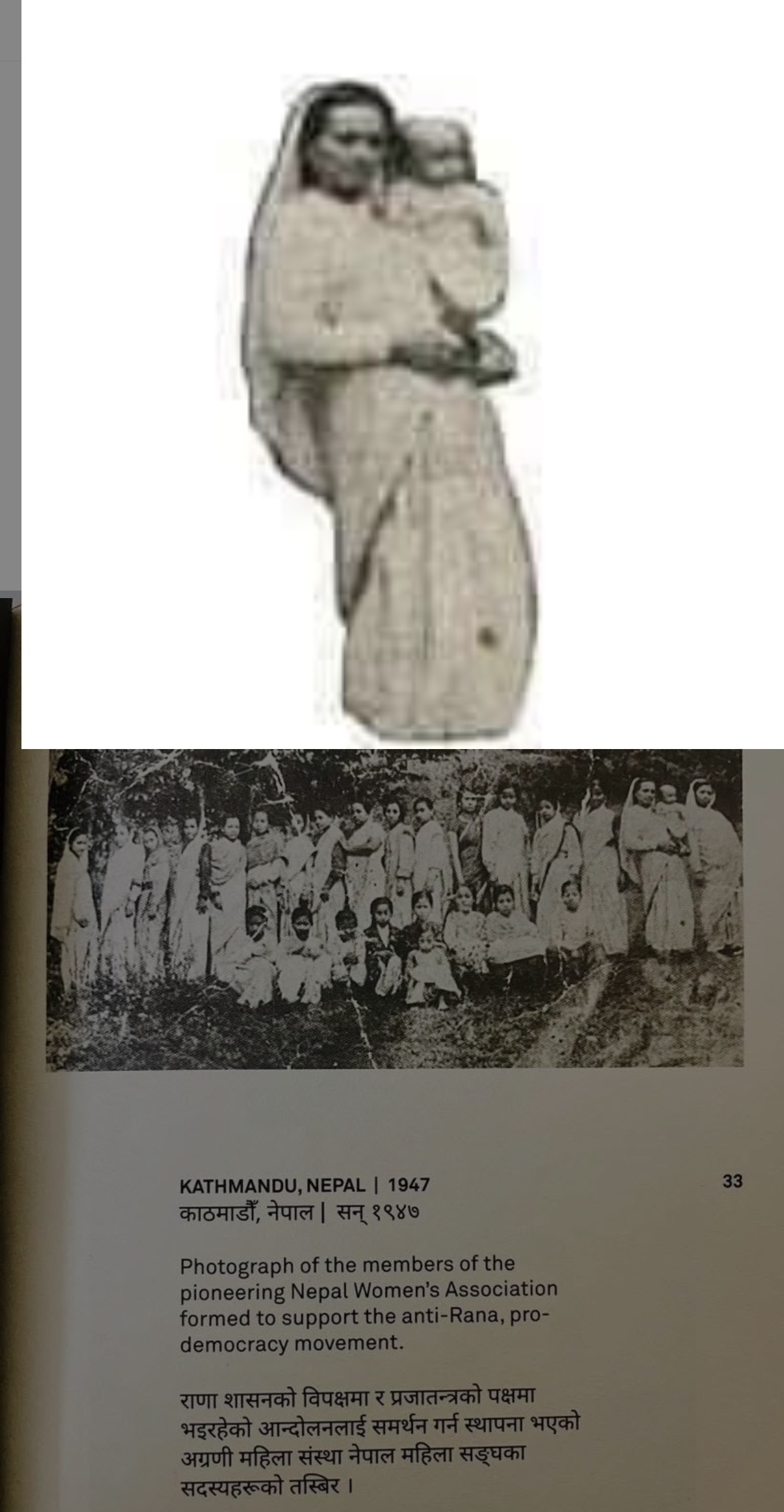
Heera Devi began mobilizing women, students, and young people to raise political awareness and spread democratic ideals. Alongside her stood courageous women such as:
- Maya Sadhana Pradhan
- Snehlata Mithethu
- Devi Premlata Kansakar
- Kankalata Nakarmi
- Pratibha Karmacharya
- Gulvadan Tamrakar
- Kokila Tuladhar
- Shanta Shrestha Sarohini
- Mithai Maharjan, Bhanudevi, and many others
Together, they laid the foundation of what would become the Nepal Women’s Association.
Under Heera Devi’s leadership, women and students received political training and education. They learned how to organize meetings, teach younger girls, manage associations, and quietly support the underground activities of the Nepali National Congress.
Institutions like Shantinikunj School became centers for training women in leadership and activism.
Building a Structured Movement (2004 B.S.)
By 2004 B.S., these efforts had grown into a structured and far-reaching movement. Women trained under Heera Devi’s guidance were active across Kathmandu, Bhaktapur, Patan, and even in remote hilly and Terai regions.
Through membership drives, speeches, and community programs, 6,000–7,000 people became aware of democratic ideals and joined organized campaigns.
The Rana rulers, alarmed by this growth, increased surveillance and repression. Yet Heera Devi remained unwavering. She motivated participants in simple but powerful ways—offering garlands, betel leaves, and food as symbols of solidarity, courage, and shared purpose.
Her goal was clear: women must not only be educated, but politically capable—able to run organizations independently and sustain the democratic struggle.
1947 – Courage in Crisis
On August 15, 1947, as India celebrated its independence, Nepal remained under Rana rule. During a time when many feared deadly disease, Heera Devi bravely performed the last rites for her cousin. This act, simple yet profound, demonstrated her moral courage—doing what was right despite fear, superstition, and social convention.
Legacy of Leadership and Awakening
Heera Devi Yami’s work created a sustainable network of education, activism, and empowerment. She proved that women were not peripheral to Nepal’s democratic movement—they were central to it.
Her leadership ensured that political awareness spread beyond elite circles into homes, schools, and communities. Thousands were inspired to participate in social and political reform because of her vision and relentless commitment.
Her life stands as a reminder:
Democracy is built not only with strategy, but with fearless hearts willing to educate, organize, and inspire.
Xxccccc
rough
Heera Devi Yami had firsthand exposure to the Indian freedom movement against British rule during the years she spent in India for medical treatment and study. There, she witnessed how ordinary citizens—students, women, workers, and leaders—participated in organized protests, civil disobedience, public meetings, and awareness campaigns led by figures such as Mahatma Gandhi and Jawaharlal Nehru.
This experience left a deep impression on her. She observed how political change was not achieved by a few leaders alone, but through mass participation, disciplined organization, and moral courage. She saw women actively involved in protests, meetings, and social reform activities, which challenged traditional notions of women’s roles in society.
From India, she learned the practical methods of civil resistance, community mobilization, political education, and underground coordination. These lessons later shaped her own approach in Nepal—organizing women, training students, forming associations, and supporting democratic activism under the Rana regime.
Her exposure to India’s struggle for independence helped her understand that democracy requires awareness, organization, and fearless participation from ordinary people, not just political leaders. This understanding became a guiding principle in her lifelong work for Nepal’s democratic awakening.
Even under harsh imprisonment and repression, Heera Devi Yami never lost hope. Reading newspapers like The Statesman, she learned that Nepali leader B.P. Koirala was leading underground democratic movements in Kathmandu through the Praja Panchayat. These reports inspired her and reinforced her determination to fight for freedom and equality in Nepal.
Heera Devi didn’t just endure hardship—she acted. She organized women, students, and youth to raise political awareness and spread democratic ideals. Alongside her, women such as Maya Sadhana Pradhan, Snehlata Mithethu, Devi Premlata Kansakar, Kankalata Nakarmi, Pratibha Karmacharya, and many others joined the cause. Together, they founded the Nepal Women’s Association, enrolling members and laying the groundwork for a democratically elected executive committee.
Under her leadership, women and students received political training and education, enabling them to participate actively in social and political movements. They were empowered to teach younger girls, lead community gatherings, and manage women’s associations—all while supporting the underground activities of the Nepali National Congress. By 2004 B.S., these programs had grown into a structured movement, reaching thousands across Kathmandu, Bhaktapur, Patan, and even remote hilly and Terai districts.
Through their efforts, 6–7 thousand individuals became aware of democratic ideals and joined organized campaigns, speeches, and membership drives. The Rana rulers, fearful of this growing movement, closely monitored activities and targeted dissenters. Yet Heera Devi remained steadfast, distributing garlands, betel leaves, and food to energize participants, symbolizing courage and dedication.
Her leadership ensured that women were not only educated but politically capable, ready to sustain organizations and carry forward the democratic struggle. Institutions like Shantinikunj School became hubs for training women in leadership and activism. Through her vision and relentless commitment, Heera Devi Yami laid the foundation for women’s active participation in social and political reform, leaving a legacy that empowered countless Nepali women and strengthened Nepal’s fight for democracy. Her courage reminds us: democracy is built not only with strategy, but with fearless hearts willing to educate, organize, and inspire.
1947 – Courage in Crisis
On August 15, 1947, as India celebrated its Independence, Nepal was still under the oppressive Rana regime. While many feared deadly diseases, Heera Devi Yami bravely performed the last rites for her cousin, showing moral courage that defied fear and convention. Her steady hands and unflinching resolve became a symbol of doing what is right over what is expected.
Underground Awakening
Inspired by reports in newspapers like The Statesman, which highlighted B.P. Koirala’s underground movement in Kathmandu under the Praja Panchayat banner, Heera Devi connected with Nepalese youth and democracy activists. She began organizing women, students, and young people, preparing them for social and political participation, despite the risk of arrest by the Rana rulers.
Formation of Nepal Women’s Association
Recognizing the importance of women in the movement, Heera Devi helped formally establish the Nepal Women’s Association. Early participants included:
- Maya Sadhana Pradhan
- Snehlata Mithethu
- Devi Premlata Kansakar
- Kankalata Nakarmi
- Pratibha Karmacharya
- Gulvadan Tamrakar
- Kokila Tuladhar
- Shanta Shrestha Sarohini
- Mithai Maharjan, Bhanudevi, and others
They were trained in political awareness, education, and leadership, enabling them to organize communities, teach younger girls, and support underground movements.
Facing Repression with Resolve
The Ranas attempted to suppress these efforts with arrests, harsh imprisonment, and intimidation. Even under extreme hardship, Heera Devi remained steadfast, participating in protests, motivating participants, and sustaining underground networks across Kathmandu, Bhaktapur, Patan, and beyond.
Building a Nationwide Movement
By 2004 B.S., the efforts had grown structured and far-reaching. Women trained under Heera Devi’s guidance were deployed to towns and villages, spreading political consciousness. Thousands were enrolled in the movement, and Heera Devi ensured that women could run associations independently and contribute to Nepal’s democratic struggle.
Legacy of Courage and Leadership
Heera Devi Yami’s work created a sustainable network of education, activism, and empowerment, showing that women were central to Nepal’s fight for democracy. Her courage inspired countless others to stand up against injustice and take active roles in social and political reform.
Her life teaches us that true change requires courage, vision, and relentless commitment—even when faced with fear and oppression.