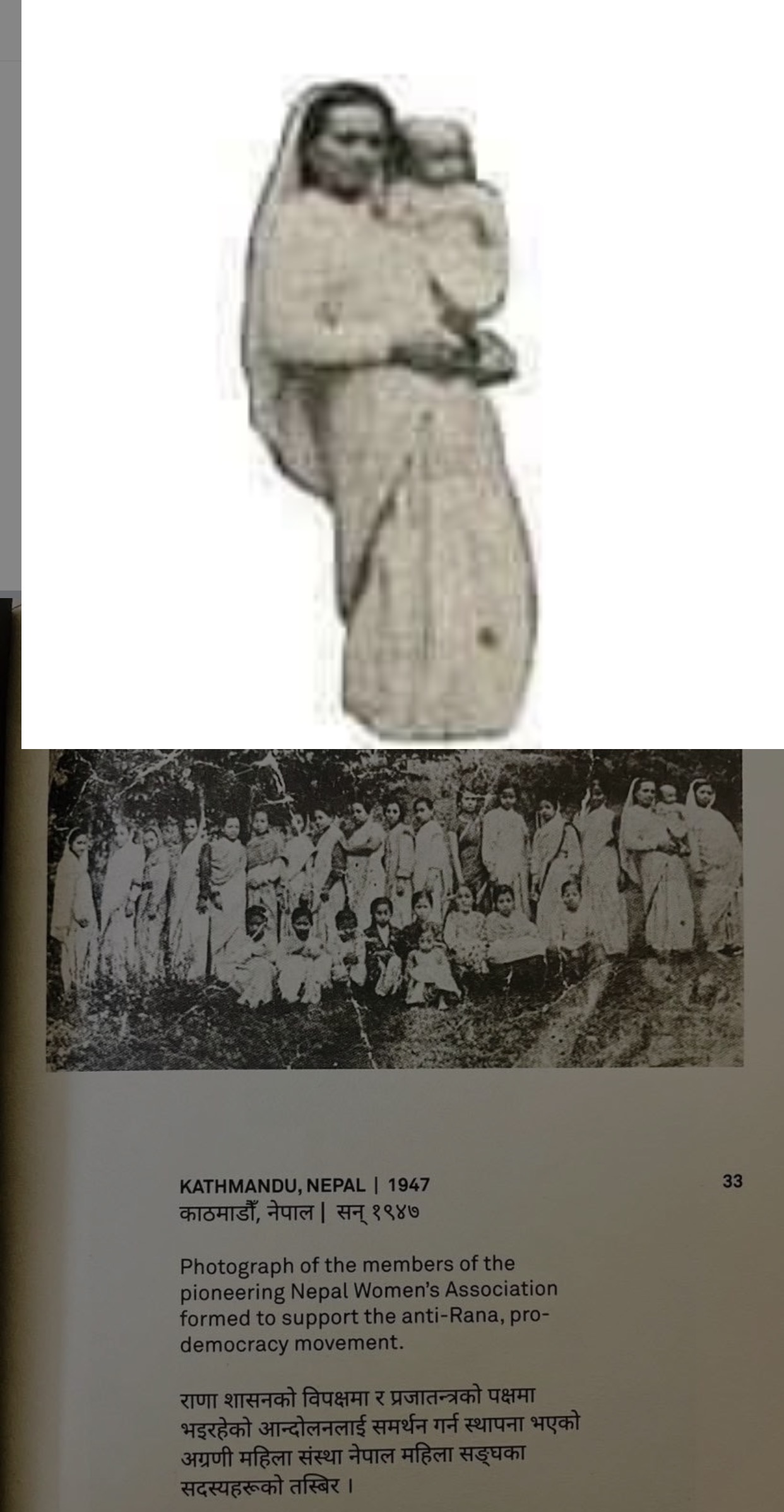
After the disruption of the Independence Day observance at Maru Dabali on 15 August 1947, Heera Devi Yami and the others arrested with her were taken not to a formal prison, but to a police lock-up used for common criminals. The intent was humiliation as much as detention.
The cell was dark, damp, and filthy. There was no proper place to sit or lie down, no toilet—detainees used a corner of the outer room as a common latrine, swarms of monsoon mosquitoes, bugs, and insects, no proper arrangement for food or clean water and a suffocating stench that made breathing difficult. Political agitators were beaten or shackled.
Heera Devi was lodged alongside accused thieves and other prisoners. With her was her breast-fed infant daughter, Dharma Devi, who cried through the nights, unable to sleep because of relentless mosquito and bug bites. Heera Devi tried to shield the child with her own body but there was little relief in the heavy, wet monsoon air. Sleep was nearly impossible. Hunger and stench were constant. Yet, something unexpected happened inside that living hell.
News from Outside the Walls. Through sympathetic contacts, smuggled newspaper clippings began to reach the detainees. These were cuttings from Indian newspapers, especially The Statesman, reporting that Independence Day had been observed in Kathmandu and activists had been arrested by Rana authorities. For the prisoners, this news transformed their suffering. What the Rana regime intended as an act of intimidation had become internationally visible. Their small act in Maru Dabali had crossed borders. It had been printed in English in Calcutta, Banaras, Patna etc and read by thousands.
Inside the lock-up, the clippings were passed from hand to hand. Heera Devi, still exhausted and bitten from the night, read them with shining eyes. The misery of the cell receded for a moment. The detainees felt not like criminals, but like participants in a larger historical current. They had not been silenced. They had been heard.
Suffering as Tapasya
Many later recalled that they began to treat those days in the lock-up as a form of tapasya—a voluntary endurance for a higher cause. The insects, the hunger, the filth, the sleepless nights with a crying child—these became part of the price they were willing to pay for awakening their country. Heera Devi did not complain. She did not show despair. Those with her remembered that she spoke calmly, comforted others, and focused on caring for Dharma Devi as if she were at home rather than in a cell. Her composure strengthened others.
From Lock-up to Jail
After days in the lock-up, the detainees were transferred to jail, where conditions were only slightly better. Heera Devi was eventually released and sent home, while many male activists remained imprisoned for longer periods.
But something irreversible had occurred. The Rana regime had tried to make an example of them. Instead, the incident publicized the movement internationally, deepened the resolve of the activists, and elevated Heera Devi’s role as a recognized leadership in open resistance. The memory of that lock-up—of mosquitoes, filth, a crying infant, and newspaper clippings passed in secret—remained with them as proof that even in the darkest conditions, hope and purpose could survive.